Tree Damage Coverage for Storm-Prone Homes
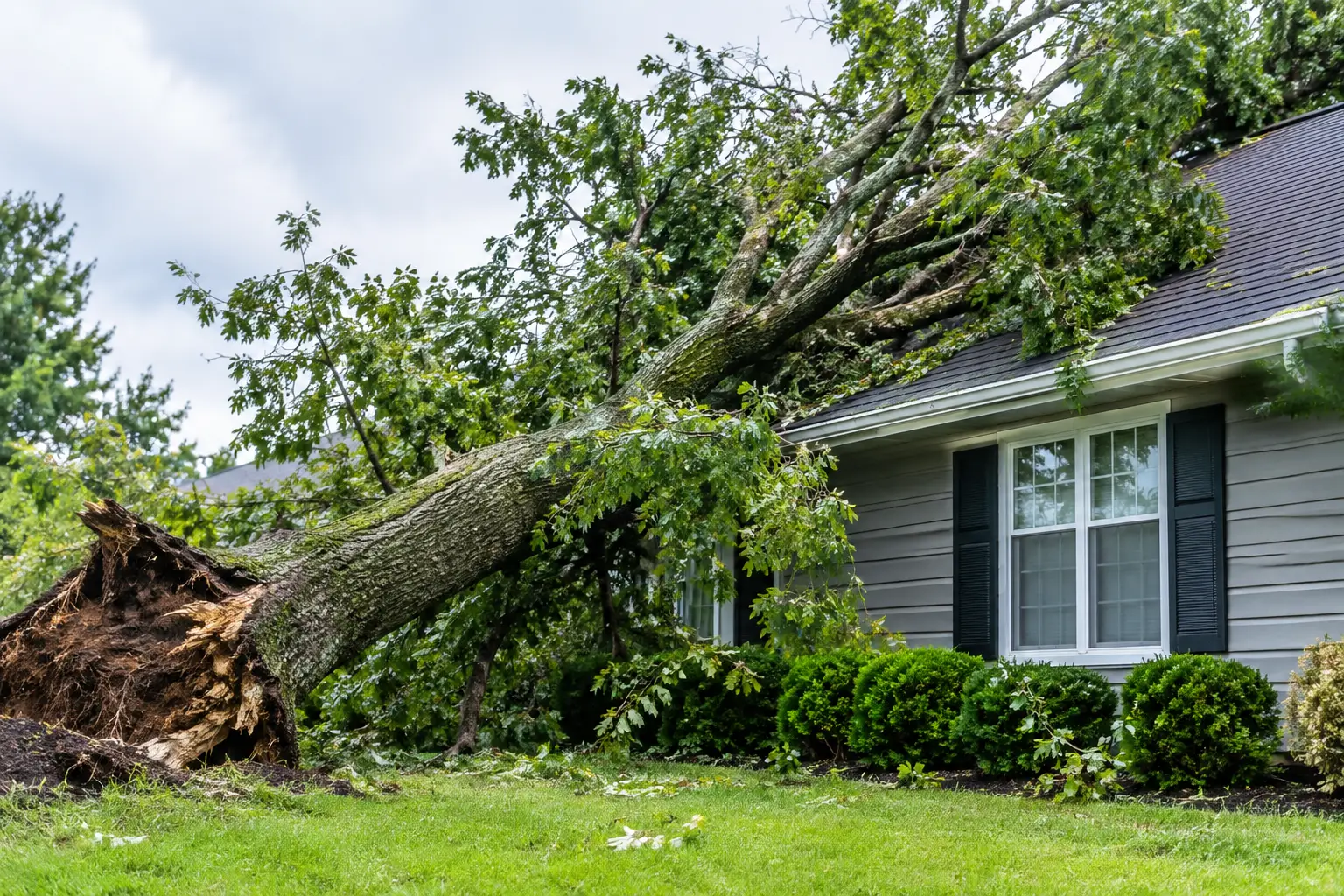
A 70-foot oak can become a six-figure problem in a single storm. When a tree falls onto a roof, garage, fence, vehicle, or pool enclosure, homeowners often discover that tree damage coverage is more nuanced than they expected. The policy may cover the damage to an insured structure, but removal costs, landscaping losses, and the cause of the fall can all affect the outcome.
For homeowners in Florida, Texas, Louisiana, Georgia, and New England, this is not a remote concern. Hurricanes, tropical storms, severe wind, saturated soil, ice, and aging trees can create significant property losses. Understanding what your homeowners policy is designed to pay for before a storm arrives can help you make better decisions when it matters most.
What Tree Damage Coverage Usually Includes
Homeowners insurance generally responds to sudden, accidental damage caused by a covered event. If a windstorm knocks a healthy tree onto your house, the policy will often pay to repair the covered damage to the home, subject to your deductible and policy limits.
That can include repairs to the roof, exterior walls, windows, attached structures, and certain other insured property damaged by the fallen tree. If a tree lands on a detached garage, shed, or fence, coverage may apply under the part of the policy that protects other structures. The available limit for other structures is often a percentage of the dwelling limit, so it is worth confirming that it reflects the value of what you own.
The key distinction is that insurance typically focuses on the damage the tree caused, not necessarily the value of the tree itself. Mature trees add beauty, shade, and privacy, but most standard policies provide limited coverage for trees, shrubs, and landscaping. A fallen tree that does not damage an insured structure may leave the homeowner responsible for much of the removal expense.
When Fallen Tree Removal Is Covered
Tree removal is one of the most misunderstood parts of a property claim. In many policies, removal is covered when a tree falls because of a covered peril and blocks a driveway, ramp, or other access point, or when it lands on a covered building. Even then, the policy may place a separate dollar limit on debris removal or tree removal.
For example, a tree that falls across your driveway after a named storm may be eligible for limited removal coverage. A tree that falls harmlessly into your yard often is not, even if removing it is expensive. Similarly, if a tree is uprooted but remains standing and has not caused covered damage, preventive removal is usually a maintenance cost rather than an insurance claim.
These limits matter because removal can become costly quickly. Large trees near homes, power lines, waterways, or pool cages may require specialized equipment and licensed crews. Ask about the removal allowance within your policy rather than assuming it is included in the full amount of your dwelling coverage.
The Cause of the Fall Matters
Most policies cover tree-related losses caused by events such as wind, lightning, hail, ice, or the weight of snow. Coverage can become less clear when a tree falls because it was diseased, rotted, neglected, or already dead.
Insurance is not intended to replace routine property maintenance. If a visibly decaying tree falls onto your home after repeated warnings or obvious signs of deterioration, the insurer may question whether the loss resulted from preventable neglect. A storm may still be part of the event, but the tree’s condition can affect how the claim is evaluated.
This does not mean every fallen tree creates a coverage dispute. It means documentation and maintenance are valuable. Periodic inspections by a qualified arborist can identify dangerous limbs, root problems, and disease before they become a threat to your property or a neighbor’s home.
Your Tree, Your Neighbor’s Tree, and Liability
A common assumption is that the owner of a fallen tree automatically pays for all resulting damage. In practice, insurance usually follows the property that was damaged.
If your neighbor’s healthy tree falls onto your roof during a windstorm, your homeowners policy will generally handle damage to your home, subject to your deductible. Your insurer may later seek reimbursement from the neighbor’s insurer if there is evidence of negligence, but you should not wait for neighbors to resolve responsibility before protecting your home and starting the claim process.
The situation changes if a neighbor knew, or reasonably should have known, that their tree was dangerous. A documented dead tree, a clearly broken trunk, or prior written notice about a hazardous condition may support a liability claim against the tree owner. The same principle applies if your tree damages a neighbor’s property. Personal liability coverage may help if negligence is established, but each situation depends on the evidence, state law, and policy language.
If you notice a tree near a property line appears unsafe, take dated photographs and communicate with your neighbor in writing in a calm, practical manner. The goal is to address a potential hazard before it becomes a claim.
Wind and Hurricane Deductibles Can Change the Math
In coastal and storm-prone areas, the biggest surprise may not be whether the damage is covered. It may be the deductible that applies.
Many homeowners policies use a separate windstorm, named-storm, or hurricane deductible. Unlike a standard flat-dollar deductible, this deductible may be calculated as a percentage of the home’s insured value. On a higher-value property, that can represent a substantial out-of-pocket amount before insurance payments begin.
Suppose a fallen tree causes $18,000 in roof and exterior damage. A policy with a $2,500 all-peril deductible could provide meaningful assistance. A policy with a 5% hurricane deductible on a $600,000 dwelling, however, could require the homeowner to absorb up to $30,000 before coverage applies to a qualifying hurricane loss.
The event classification matters. A tree blown down in an ordinary thunderstorm may be subject to one deductible, while damage associated with a named hurricane could trigger another. Reviewing these provisions ahead of hurricane season is part of protecting your budget, not simply checking a policy box.
What to Do After a Tree Damages Your Property
Safety comes first. Stay away from downed power lines, unstable limbs, and areas where a tree has shifted the structure of the home. If there is an immediate hazard, contact emergency services or the appropriate utility provider.
Once the property is safe, take reasonable steps to prevent additional damage. Temporary roof tarping, boarding broken windows, and moving undamaged belongings away from water intrusion are often appropriate. Keep receipts for emergency mitigation work and avoid making permanent repairs until the insurer has had a chance to inspect the loss, unless waiting would create further damage or a safety risk.
Useful claim documentation includes:
- Photos and video of the tree, damaged areas, and surrounding conditions before cleanup begins.
- The date and approximate time of the event, along with relevant weather conditions.
- Receipts and written estimates for emergency services, debris removal, and temporary repairs.
- Notes of conversations with contractors, utility providers, neighbors, and your insurance representative.
Notify your insurer or insurance professional promptly. A claims representative can explain next steps, help clarify the deductible, and identify what information may be needed to evaluate the loss. Be cautious about signing broad repair agreements with a contractor before you understand the scope of work and your insurer’s process.
How to Build Better Protection Before the Next Storm
Tree risk is partly an insurance issue and partly a property maintenance issue. A strong homeowners policy should be paired with practical prevention. Trim limbs that overhang the roof, keep trees away from power lines, remove dead or diseased trees when recommended, and inspect drainage around large trees after prolonged rain. Saturated soil can cause even healthy-looking trees to fail.
Your insurance review should also consider the full property picture. Verify that the dwelling limit reflects current rebuilding costs, not just the home’s market value. Review other structures coverage for fences, sheds, detached garages, and pool enclosures. Confirm the deductible options you selected and whether your policy has separate wind or hurricane deductibles.
For homes with extensive landscaping, high-value outbuildings, waterfront features, or substantial trees, standard limits may not be the right fit. An independent broker can compare coverage approaches across carriers and explain the practical trade-offs between premiums, deductibles, and available protection.
A fallen tree is not always avoidable, but an avoidable coverage surprise is. A thoughtful review with Virtue Insurance Services can help ensure your homeowners policy reflects the property, budget, and peace of mind you are working to protect.